The meeting document, already written

Committee packs and client reviews come out of work the desk has already done, in your own format, with every figure tied to its source

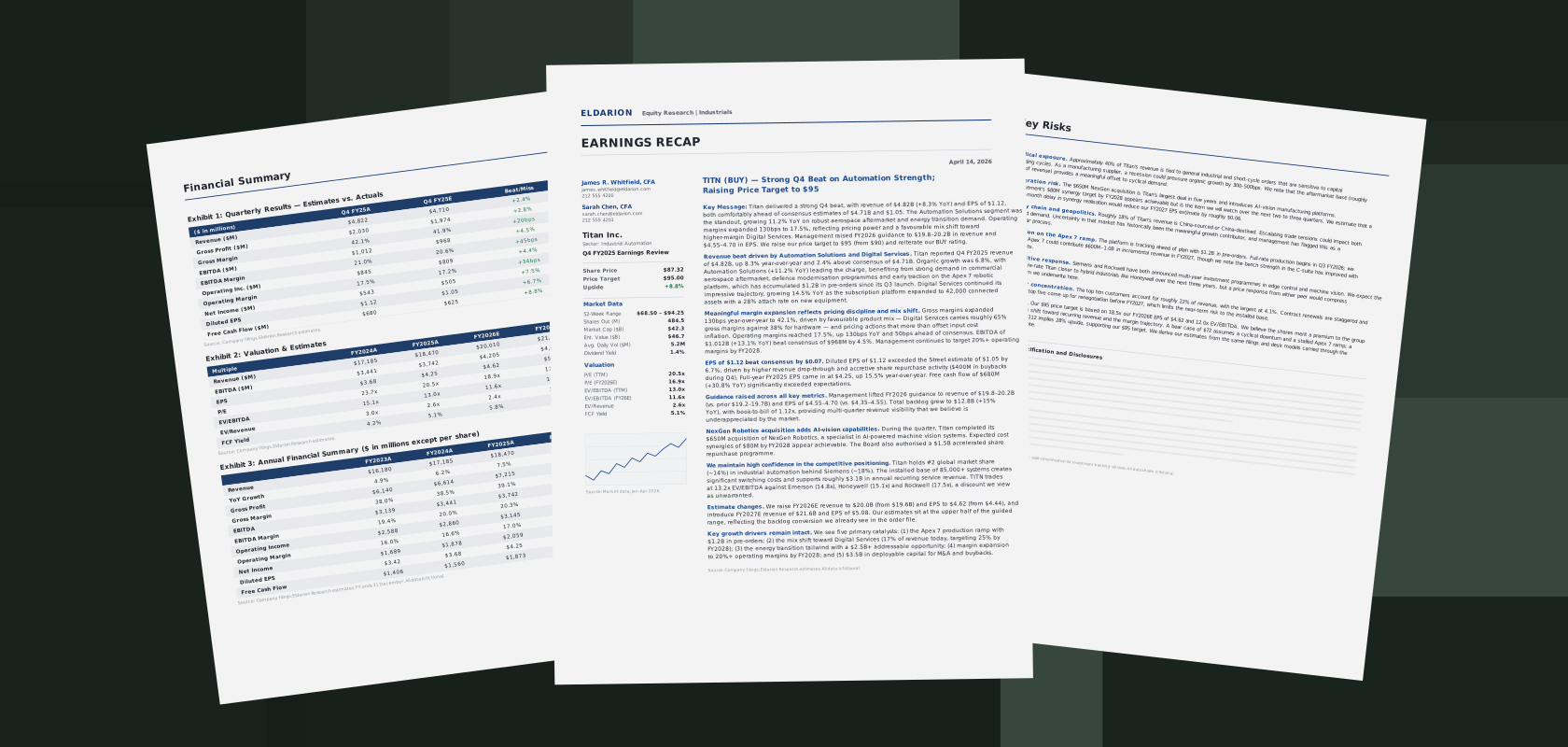
Three pages of a research note fanned out on the desk: the earnings recap itself, the financial summary exhibits behind it, and the risks and disclosure page — every figure carried through from the same filings.

It writes your report. You just check it. In the template you already use, with every number linked to where it came from.

The committee pack is drafted before the meeting

Every section written from the work the desk has already done that week, source-linked, with the one thing that needs a person left flagged.
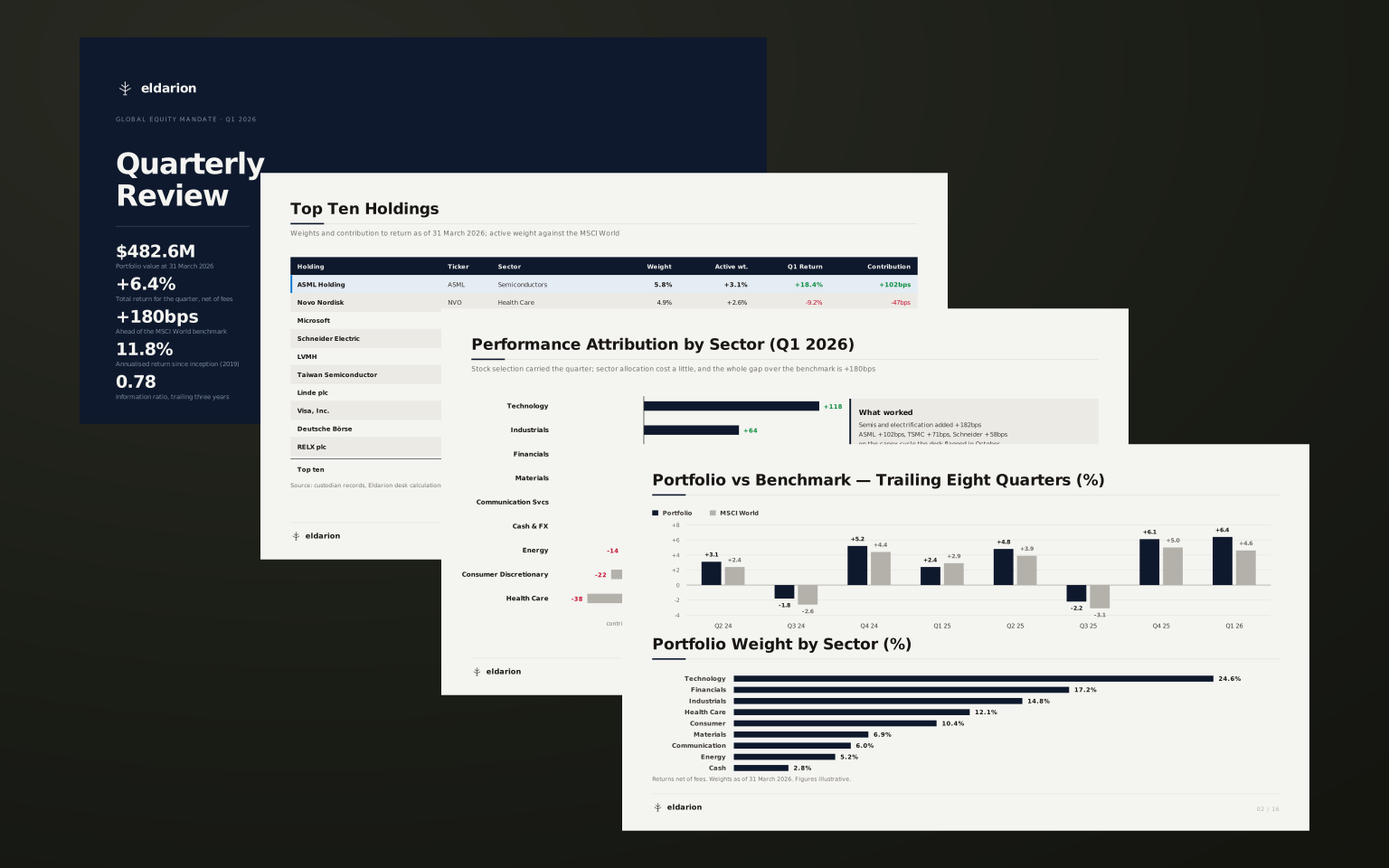
Four slides of an Eldarion quarterly portfolio review fanned out: the cover with the headline figures for the quarter, the top ten holdings table, the performance attribution by sector and the portfolio against its benchmark over eight quarters

Decks

Build the deck. Create new charts. Visualise the analysis.

Spreadsheets

Build the model. Refresh for earnings. Flow through guidance.

Reports

Draft coverage reports. Prep the flash. Track specific stocks.
It leaves on the schedule you keep

In the formats the desk already sends, to the people who expect it, at the hour it is due — and every version stays behind it.

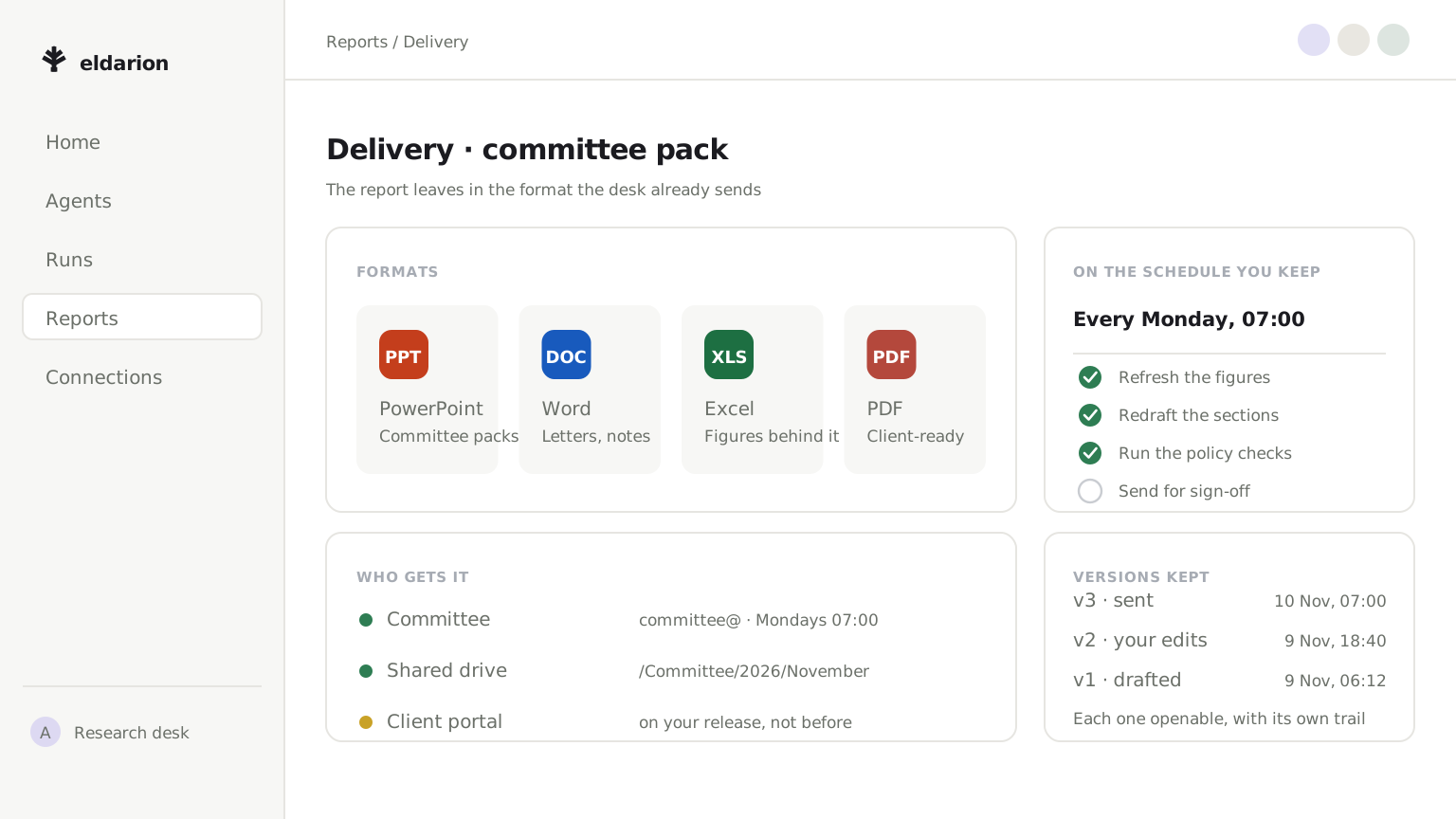
The delivery screen for a committee pack: the formats the desk already sends — PowerPoint, Word, Excel and PDF — who receives it and where it lands, the Monday morning schedule it runs on with the steps it takes, and the versions kept behind it, each one openable with its own trail

The formats you already send

PowerPoint for the committee, Word for the letters, Excel for the figures behind them, PDF for the client.

Where it lands

The committee inbox, the folder on the shared drive for that month, and the client portal on your release, not before.

Every version kept

Drafted, edited, sent. Each one still openable, with the trail of what changed and who signed it off.